Performance Review Calibration: Building Fairer Evaluations
Without a structured calibration process, one manager's 'exceeds expectations' is another's 'meets expectations.' Here's how to standardize ratings, challenge bias, and build a fairer performance culture.
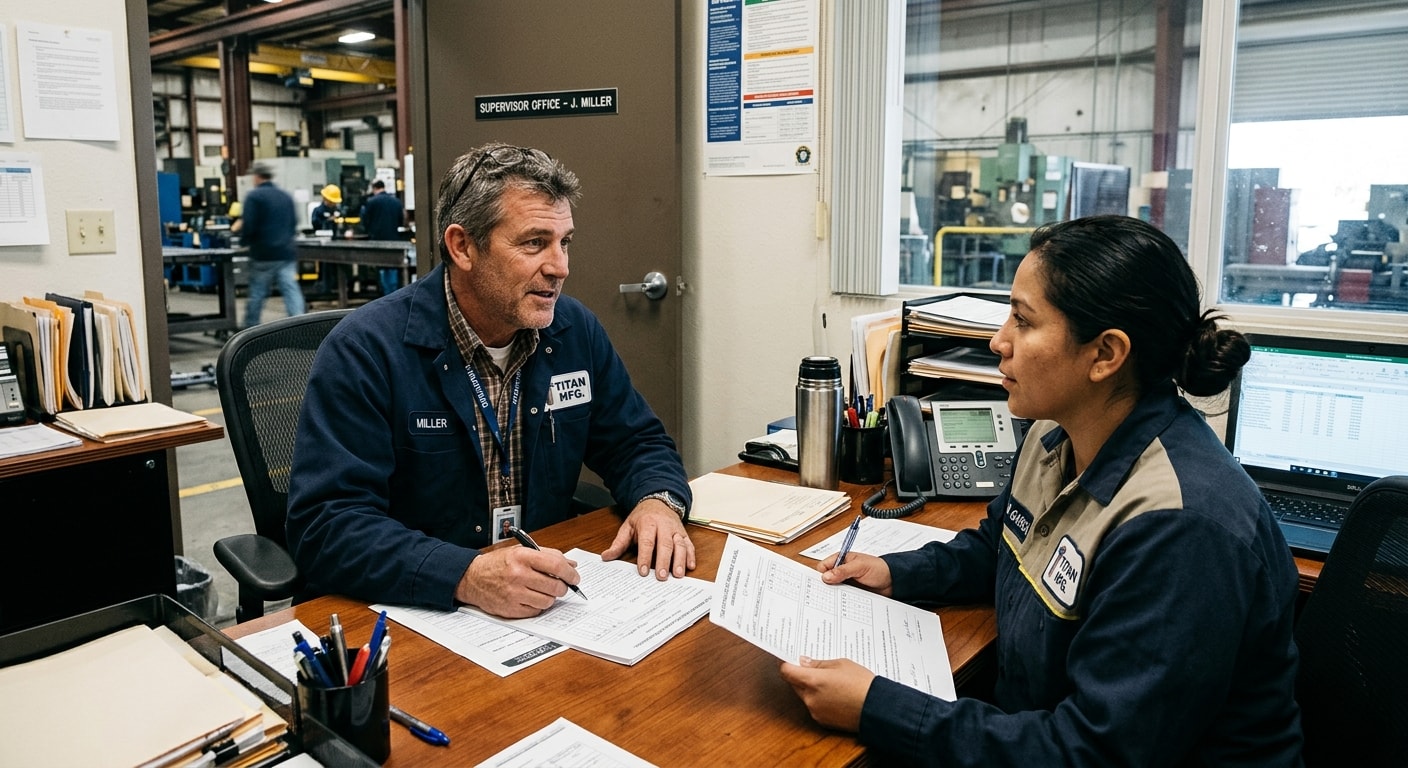
When annual or quarterly performance reviews roll around, leaders across departments evaluate employee achievement. However, without a structured alignment process, individual rating standards vary wildly. One manager's 'exceeds expectations' might be another manager's 'meets expectations.' Unchecked, these discrepancies lead to perceived favoritism, biased promotions, and demoralized high performers.
This is where performance review calibration becomes indispensable. Calibration brings managers and HR leaders together to standardize evaluation criteria, challenge unconscious bias, and ensure equal performance standards across the entire organization. Fair evaluations aren't just an HR ideal — they are the cornerstone of trust, retention, and performance culture.
Why Calibration Meetings Are Essential: Without calibration, ratings tend to reflect manager personality rather than actual employee impact. Lenient managers grade everyone high, while strict managers rarely grant top marks. Calibration sessions level the playing field by requiring managers to justify ratings with objective evidence and peer review.
Establish Standardized Rating Rubrics Early: Define exact behavioral and outcome-based benchmarks for each rating level before evaluation season starts. Ensure every manager interprets 'meets' versus 'exceeds' using identical metrics.
Require Data and Specific Examples, Not Impressions: Managers must support ratings with concrete performance data, project deliverables, and verified peer feedback rather than general impressions or recent memory.
Mitigate Recency and Similarity Biases: Actively look out for recency bias (weighing the last month heavier than the rest of the year) and similarity bias (favoring employees with similar working styles). Evaluate performance across the full review period.
Empower HR as an Objective Moderator: HR leaders should facilitate calibration meetings, asking probing questions, challenging outliers, and keeping discussions grounded in consistent institutional standards.
Focus on Distribution, Not Forced Ranking: Use distribution curves as a reference guide rather than a rigid quota. The goal is to identify genuine outliers — top drivers and underperformers — while maintaining realistic middle-ground ratings.
Ensure Transparent Communication Post-Calibration: Equip frontline managers with the rationale behind rating adjustments so they can deliver constructive, confident, and honest feedback during one-on-one review conversations.
By establishing clear calibration practices, HR managers and frontline leaders protect evaluation integrity, foster organizational equity, and build employee trust in performance outcomes.
Building a fair and consistent review process requires the right calibration strategies, manager training, and HR toolkits. At HR-Lead.com, we help organizations elevate their leadership practices, streamline evaluations, and drive sustainable employee performance. Ready to transform your evaluation process? Reach out to HR-Lead.com today to schedule a consultation or explore our modern leadership solutions.
Stay current on practical HR guidance
Get new HR and leadership articles delivered to your inbox.
Ready to take the next step?
Schedule a consultation with Dr. Herb Callahan and the HR-Lead team.