
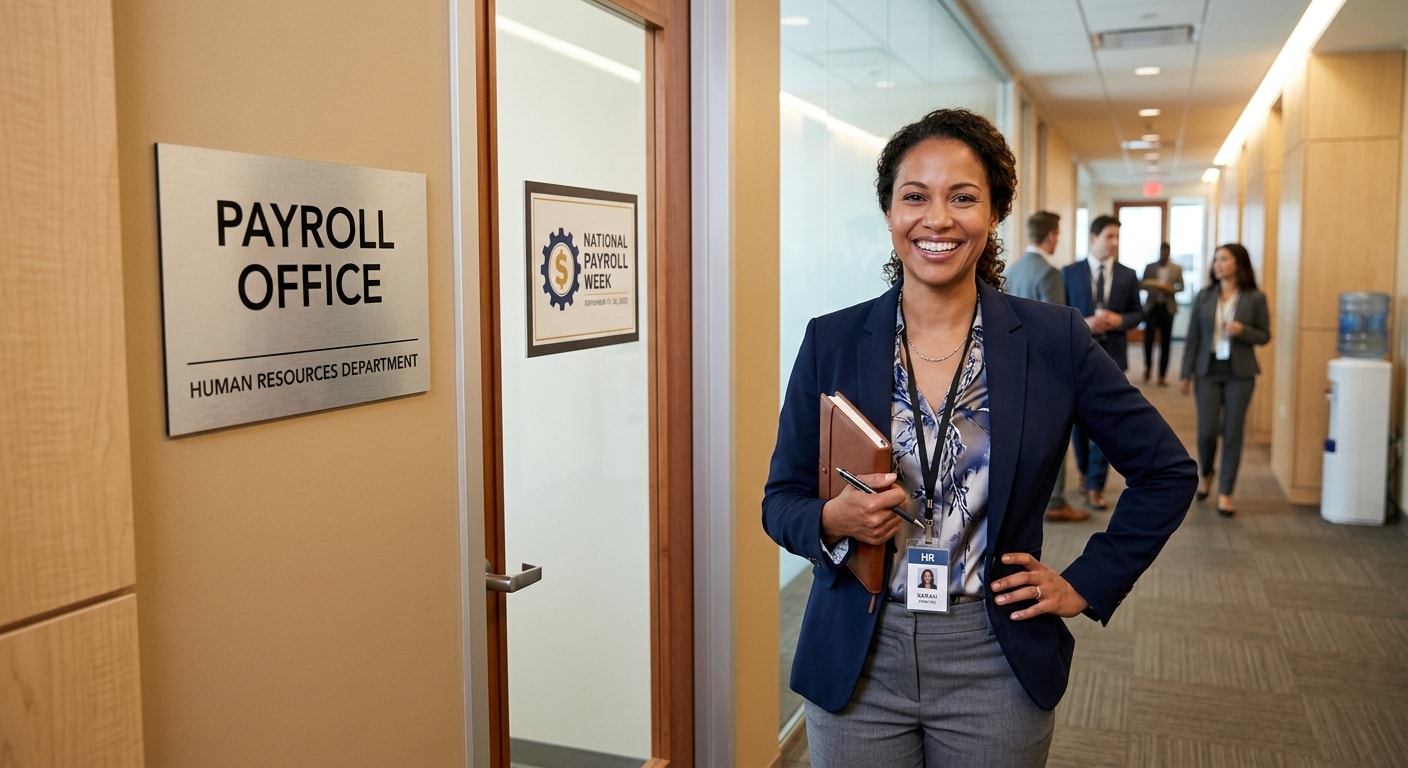
National Payroll Week: A Practical Payroll Compliance Audit
A practical payroll compliance audit checklist for HR managers and frontline leaders to strengthen accuracy, trust, and wage-and-hour readiness.
National Payroll Week is the perfect opportunity to celebrate the teams that keep organizations running. It is also a timely reminder of the complex operational system behind every paycheck. For HR managers and frontline leaders, payroll is more than a timely direct deposit—it is an intersection of labor laws, employee trust, company policy, and sometimes union contracts.
A regular payroll compliance audit helps confirm that processes are fair, lawful, and aligned with company policy before small mistakes become costly administrative or legal liabilities. It also gives leaders a structured way to identify process gaps and reinforce expectations across departments.
Frontline leaders play a pivotal role in payroll compliance, often without realizing it. Managers who approve timecards, manage shift differentials, and oversee overtime are the first line of defense against time-tracking errors. When HR and operations work in silos, questions around meal breaks, off-the-clock work, or shift swaps can quickly turn into non-compliance.
Audit timecard approval timelines. Confirm that frontline managers review and approve hours daily or weekly rather than rushing at the end of the pay period. Timely review can surface missed meal break penalties, unrecorded hours, and schedule discrepancies before payroll is finalized.
Review job classifications. Double-check exempt and non-exempt designations across the organization to reduce misclassification risk under wage-and-hour laws. Classification decisions should be supported by current job duties, not job titles alone.
Verify shift differentials and premium pay. Review whether overtime calculations correctly include non-discretionary bonuses, shift differentials, and hazard pay in the regular rate of pay. Clear payroll rules and consistent data entry help reduce expensive calculation errors.
Cross-check local, state, and federal requirements. Wage-and-hour regulations, mandatory paid leave, and final paycheck requirements can vary significantly by location. Confirm that payroll systems and local procedures reflect the current rules that apply to each worksite.
Inspect off-the-clock work risks. Standardize expectations around pre-shift preparation, post-shift closing duties, and mobile communications outside working hours so all time worked is recorded and compensated appropriately.
Once you complete the audit, turn findings into clear action steps. Standardize operating procedures across departments, refresh manager training on time-tracking tools and policies, and make sure supervisors know where to direct nuanced questions about premium pay or complex scheduling.
By proactively addressing payroll gaps, you protect the organization from compliance risk while reinforcing trust with the people who make the business succeed. National Payroll Week is more than an annual event—it is an ongoing commitment to precision, transparency, and valuing your workforce.
Need assistance with a payroll audit or frontline leadership training? HR-Lead Coaching and Consulting can support custom payroll audits, manager training, and compliance reviews. Visit www.hr-lead.com or email [email protected] to connect.
Stay current on practical HR guidance
Get new HR and leadership articles delivered to your inbox.
Ready to take the next step?
Schedule a consultation with Dr. Herb Callahan and the HR-Lead team.